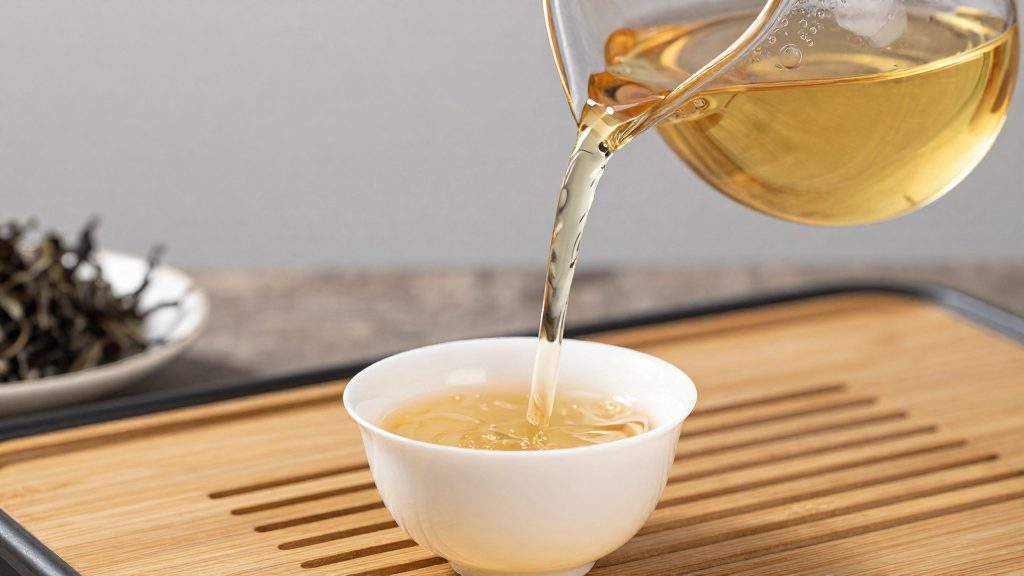
For a first infusion of oolong, Art of Tea (2026) gives 3–5 minutes for rolled oolong and 4–7 minutes for long-leaf oolong, at 185–205°F (about 85–96°C). Tea Trekker (2026) gives 3–5 minutes for Western-style brewing at 180–200°F (about 82–93°C), while Tea Time Magazine (2026) gives 1–3 minutes at 190–210°F. Gongfu brewing in a gaiwan or small teapot uses much shorter steeps, 30–60 seconds each. These sources disagree on exact limits, so treat the ranges as starting points.
How long should you steep oolong tea?
First-infusion time by brewing style
| Brewing style | First steep | Water temperature | Source |
|---|---|---|---|
| Rolled oolong | 3–5 min | 185–205°F (85–96°C) | Art of Tea (2026) |
| Long-leaf oolong | 4–7 min | 185–205°F (85–96°C) | Art of Tea (2026) |
| Western-style | 3–5 min | 180–200°F (82–93°C) | Tea Trekker (2026) |
| Western-style | 1–3 min | 190–210°F (88–99°C) | Tea Time Magazine (2026) |
| Gongfu | 30–60 seconds | 180–200°F (82–93°C) | Tea Trekker (2026) |
Adjusting for oxidation level
The oxidation level of the leaf changes the water temperature more clearly than the time in the sources:
- Darker, more oxidised oolongs: use hotter water. Tea Trekker (2026) recommends this for darker leaves.
- Lighter, less oxidised oolongs: use cooler water. Tea Trekker (2026) gives this guidance.
The sources give no separate steep time by oxidation level, so start within the stated range and adjust after tasting.
Why the first steep is shorter
The first steep is the baseline. Art of Tea (2026) advises adding 30–60 seconds with each resteep as the leaf gives up its flavour.
Judging strength by liquor colour and aroma
No sourced figures exist for colour or aroma targets, so judge by sight and smell:
- Pour a small sample from each steep and compare the liquor colour with the previous cup. A pale liquor suggests under-extraction.
- Smell the empty cup after pouring. Faint aroma usually means the steep was too short or the water too cool.
- If the liquor is bitter or astringent, shorten the next steep or lower the temperature.
Best water temperature for oolong
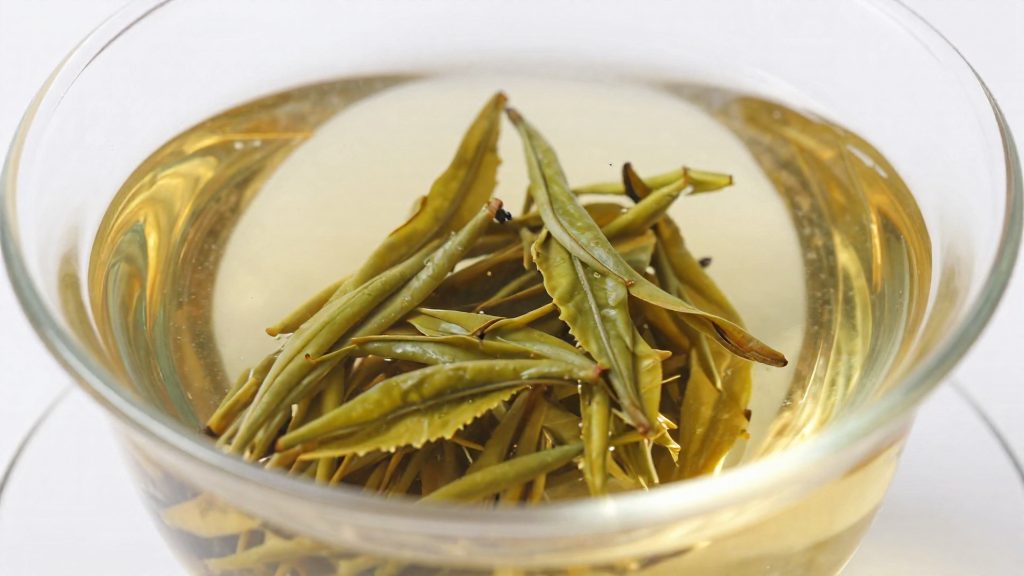
For most oolong, the sources in this section point to water between about 180°F and 210°F (about 82–99°C).
Temperature reference points by tea type
The table sets oolong beside green, white and black tea, using the figures published for each style.
| Style | Temperature | Source |
|---|---|---|
| Green tea (for comparison) | 160–180°F (71–82°C) | Art of Tea (2026) |
| White tea (for comparison) | 160–185°F (71–85°C) | Art of Tea (2026) |
| Oolong, general | 185–205°F (85–96°C) | Art of Tea (2026) |
| Oolong, Western-style | 180–200°F (82–93°C) | Tea Trekker (2026) |
| Black tea (for comparison) | 200–212°F (93–100°C) | Art of Tea (2026) |
Tea Trekker (2026) advises hotter water for darker, more oxidised oolongs and cooler water for lighter ones. Within the oolong range, use a lower temperature for lightly oxidised leaves and a higher one for darker leaves, then adjust after tasting.
Reaching the target with a variable-temperature kettle
A variable-temperature kettle lets you set the target directly, so the main task is confirming what the setting means.
- Check the manufacturer’s instructions to see whether the setting is the heating target or the temperature the kettle holds.
- Wait until the display reads the target before pouring. Some kettles signal when the target is reached; confirm this in the manual.
- Pour promptly into the teapot or gaiwan so the water does not cool in the kettle spout.
Holding and cooling without a thermometer
Without a readout, you can lower the temperature by letting boiled water rest in an open vessel before brewing. Use this approach:
- For lighter oolongs, let the water rest longer before pouring.
- For darker oolongs, pour sooner.
- Keep the same vessel and amount of water for each brew so that results are comparable.
How much oolong leaf per cup?
Leaf quantity is the variable that changes oolong strength most directly, and publishers give two different measuring methods. Art of Tea (2026) gives about 1 tablespoon of loose leaf per 8 oz (about 240 mL) of water for oolong. Tea Trekker (2026) gives weight instead: 2–3 g of leaf per 6 oz of water for Western-style brewing, and 5–6 g per 6 oz for gongfu-style brewing in a gaiwan or small teapot, where Taiwanese practice often uses 6–8 g. Tea Time Magazine (2026) also suggests about 1 tablespoon per cup. Because a tablespoon measures volume, not mass, the weight-based figures are the more reliable starting point.
Grams per cup versus tablespoon
| Method | Source | Leaf amount | Water |
|---|---|---|---|
| Volume | Art of Tea (2026) | About 1 tablespoon | 8 oz |
| Volume | Tea Time Magazine (2026) | About 1 tablespoon | One cup |
| Weight, Western | Tea Trekker (2026) | 2–3 g | 6 oz |
| Weight, gongfu | Tea Trekker (2026) | 5–6 g (Taiwanese practice often 6–8 g) | 6 oz |
A tablespoon of rolled oolong and a tablespoon of long-leaf oolong differ in weight because leaf shape changes how much fits in the spoon. When accuracy matters, use the weight figures above.
Scale readings and small quantities
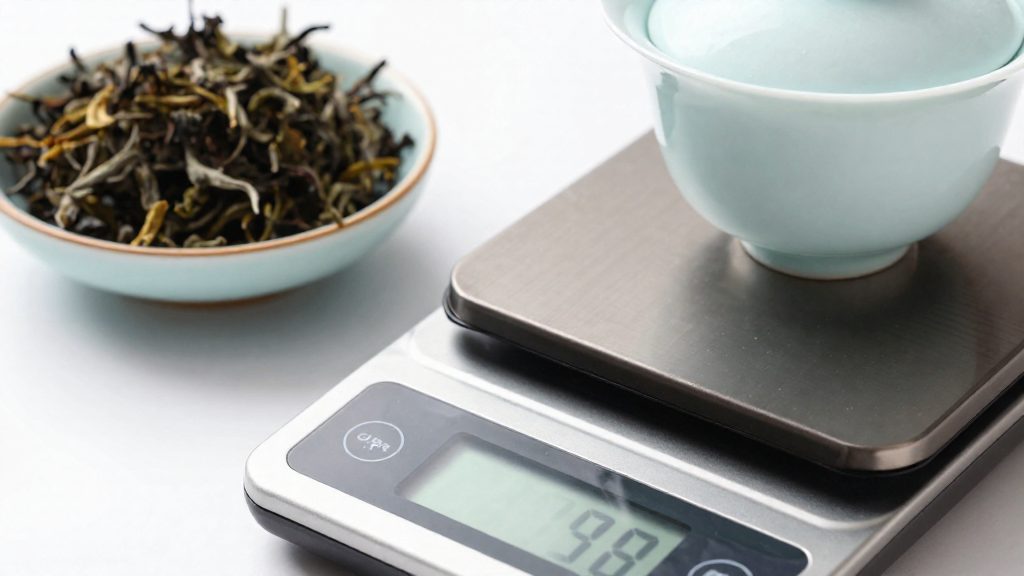
For a 2–3 g dose, a scale that reads in 0.1 g steps is enough. A 1 g error on a 2 g dose is a 50% change in leaf, so a scale with 1 g resolution is too coarse at this amount. For gongfu brewing at 5–6 g, a 1 g error is about 17–20% of the dose. Check the scale’s resolution in the manufacturer’s manual before relying on it for small quantities.
Adjusting for cup size and strength
Scale the leaf in proportion to water volume. Tea Trekker’s Western figure (2–3 g per 6 oz) gives a range, so the lower end suits a lighter cup and the upper end a stronger one. Art of Tea’s 8 oz figure is larger than Tea Trekker’s 6 oz figure, so an 8 oz cup needs proportionally more leaf than a 6 oz cup at the same strength.
Western versus gongfu steeping times
Western-style oolong brewing uses a single pot, less leaf per volume of water, and a longer steep, usually with one re-steep. Gongfu-style brewing uses a gaiwan or small teapot, more leaf per volume, short steeps, and many re-steeps from the same leaf.
| Factor | Western-style (single pot) | Gongfu-style (gaiwan or small teapot) |
|---|---|---|
| Leaf per 6 oz water | 2–3 g (Tea Trekker, 2026) | 5–6 g; 6–8 g in Taiwanese practice (Tea Trekker, 2026) |
| Water temperature | 180–200°F, about 82–93°C (Tea Trekker, 2026) | 180–200°F, about 82–93°C (Tea Trekker, 2026) |
| First steep | 3–5 minutes (Tea Trekker, 2026) | 30–60 seconds per steep (Tea Trekker, 2026) |
| Re-steeps | Usually one (Tea Trekker, 2026) | 6–8 (Tea Trekker, 2026) |
Single-pot Western brewing with one re-steep
Western-style brewing is the simpler method: one vessel, one long infusion, then one more infusion from the same leaf.
- Leaf: Tea Trekker (2026) gives 2–3 g per 6 oz of water.
- Temperature: Sources differ. Tea Trekker gives 180–200°F, Art of Tea gives 185–205°F, and Tea Time Magazine gives 190–210°F (all 2026).
- Time: Tea Trekker and Art of Tea give 3–5 minutes for rolled oolong, and Art of Tea gives 4–7 minutes for long-leaf oolong. Tea Time Magazine suggests 1–3 minutes (all 2026).
- Re-steep: Tea Trekker (2026) says a single re-steep is usual.
Gaiwan and small teapot for multi-steep sessions
Gongfu-style sessions rely on short, repeated infusions. Each steep is brief, and the leaf opens further with each pour.
- Leaf: 5–6 g per 6 oz of water, or 6–8 g in Taiwanese practice (Tea Trekker, 2026).
- Steeps: 30–60 seconds each, with 6–8 re-steeps (Tea Trekker, 2026).
Do you need to rinse oolong?
A rinse is a brief first pour of hot water over the leaves, discarded before the real infusion. Tea Time Magazine (2026) recommends a quick rinse for oolong, and Tea Trekker (2026) advises rinsing the leaves briefly before gongfu-style brewing. Tea Time Magazine recommends a quick rinse for oolong in general. For Western-style brewing in a single mug or pot, the sources do not require it, so treat the rinse as optional.
What the rinse does
- Wakes the leaves: Hot water begins to open rolled or compressed leaves, so the first real steep starts from leaves that are already softening.
- Removes surface dust: Fine powder and loose debris from processing leave the leaves with the first pour, which keeps the cup and the teapot cleaner.
How to rinse and what to discard
- Add the dry leaves to the gaiwan or teapot.
- Pour hot water over the leaves until they are covered.
- Pour off the water immediately. Do not let the leaves sit in it.
- Discard the rinse water. Do not drink it.
- Refill with water at your chosen temperature and start the first steep.
When rinsing is optional
| Brewing method | Rinse | Basis |
|---|---|---|
| Gongfu-style, gaiwan or small teapot | Brief rinse before the first steep | Tea Trekker (2026) |
| General oolong brewing | Quick rinse recommended | Tea Time Magazine (2026) |
| Western-style, single steep in a mug or pot | Optional | Practical choice, not a sourced requirement |
For Western-style brewing, skip the rinse if you want a simpler routine. Rinse when you use a gaiwan or small teapot, or when you are working with rolled leaves that look dusty.
How many times can you resteep oolong?
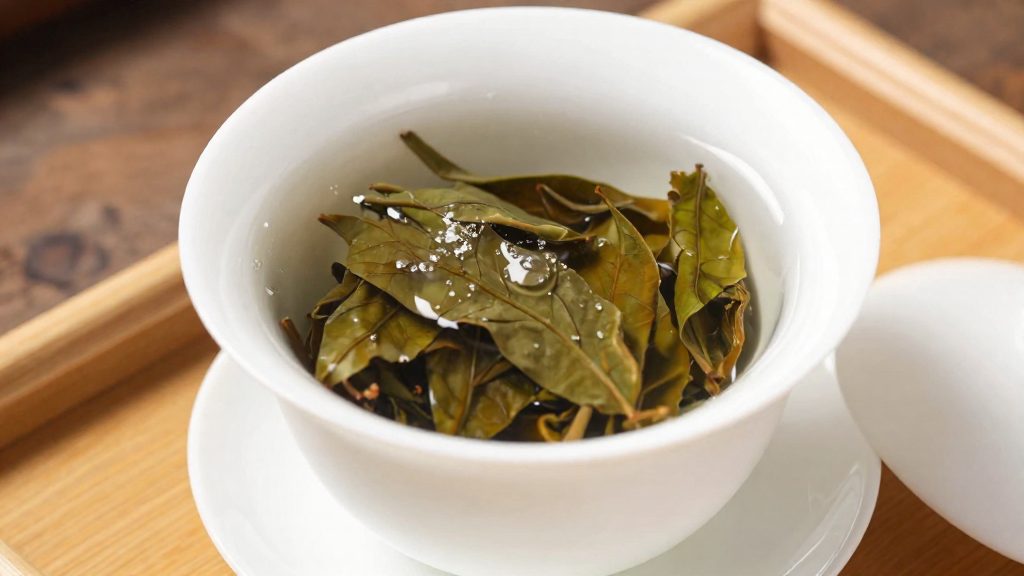
Resteep count depends on brewing method and leaf quantity. Art of Tea (2026) says quality oolong gives 3–5 infusions. Gongfu-style brewing in a gaiwan or small teapot allows more: Tea Trekker (2026) gives 6–8 re-steeps at 5–6 g of leaf per 6 oz of water. Tea Time Magazine (2026) says dark and balled oolongs can be resteeped up to seven times.
Resteep counts by method and oolong type
| Method and leaf amount | Resteeps | Source |
|---|---|---|
| Western-style, 2–3 g per 6 oz of water | Usually one re-steep | Tea Trekker (2026) |
| Quality oolong, general | 3–5 infusions | Art of Tea (2026) |
| Gongfu-style, 5–6 g per 6 oz of water | 6–8 re-steeps | Tea Trekker (2026) |
| Dark or balled oolong | Up to seven resteeps | Tea Time Magazine (2026) |
For light oolongs, start with the general 3–5 infusion figure from Art of Tea (2026).
Adding time to each resteep
Art of Tea (2026) advises adding incremental time of 30–60 seconds with each resteep. A 3-minute first steep would therefore run about 3 minutes 30 seconds to 4 minutes on the second infusion, then lengthen again on each following one.
Tea Trekker (2026) gives gongfu steeps of 30–60 seconds each. This is a different timing basis from Art of Tea’s per-resteep increase, so choose one schedule and keep it consistent across the session.
Signs the leaves are exhausted
Stop when an infusion smells mostly of hot water and tastes thin, with little colour or body. Leaves that have fully unfurled but no longer release flavour have reached the end of their exhausted leaves stage. To check, compare each new infusion with the first one side by side: a clear drop in aroma and sweetness signals that the leaves are spent.
Rolled versus long-leaf oolong
Rolled oolong and long-leaf oolong are the two main shapes sold, and the shape you buy determines the steep time and the vessel that suits it.
| Shape | Dry leaf appearance | Steep time (Art of Tea, 2026) |
|---|---|---|
| Rolled | Compact, twisted or balled pieces | 3–5 min |
| Long-leaf | Elongated, less compressed strands | 4–7 min |
Identifying each shape
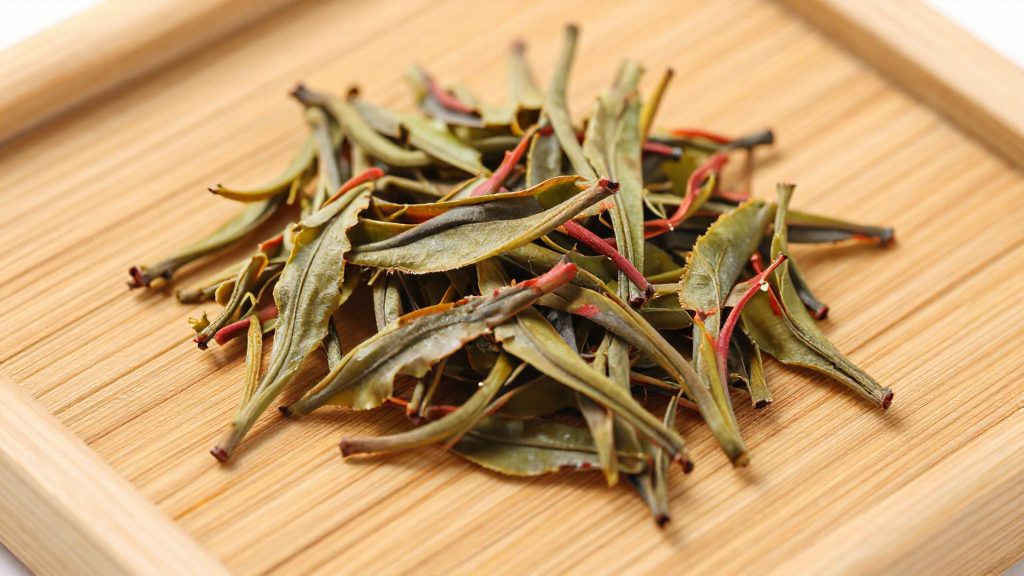
Check the dry leaf before you brew. Rolled pieces hold a tight shape and need to open up after wetting. Long-leaf pieces are looser and already look like strands. If a label does not state the shape, the dry leaf is the most reliable guide, and the product label or the seller’s brewing instructions should confirm the steep time.
Matching shape to vessel
Rolled leaves need room to unfurl. Give them a wide vessel or a large infuser basket, not a small tea ball that compresses them.
- Gaiwan (gongfu style): Tea Trekker (2026) gives 5–6 g of leaf per 6 oz of water. Sources differ on the temperature window: Tea Trekker (2026) gives 180–200°F, and Tea Time Magazine (2026) gives 190–210°F.
- Western infuser or teapot: Tea Trekker (2026) gives 2–3 g per 6 oz at 180–200°F for 3–5 minutes.
- Basket or ball infuser: Use a larger basket for long-leaf oolong so the strands can spread and circulate.
Common oolong mistakes to avoid
Most oolong problems come from three habits: steeping too long, using water that changes the taste, and holding brewed tea for hours before drinking it. Each has a direct fix.
Bitterness from oversteeping and leaving leaves in water
Oolong turns bitter when the leaves stay in the water past the target time.
Fix: pour off the liquid as soon as the timer ends. Leaves left in the vessel keep releasing tannin, so do not let them sit.
For gongfu-style brewing in a gaiwan or small teapot, the steeps are much shorter.
Using heavy mineral or chlorinated tap water
Water quality changes how oolong tastes. Tea Time Magazine recommends filtered water. The sources give no detail on mineral or chlorine levels, so treat filtered water as a simple option to test against your tap water. Check your local water supplier’s quality report or use a jug filter, and compare a cup brewed with filtered water against one brewed with tap water.
Storing brewed tea and reusing cold leftover infusions
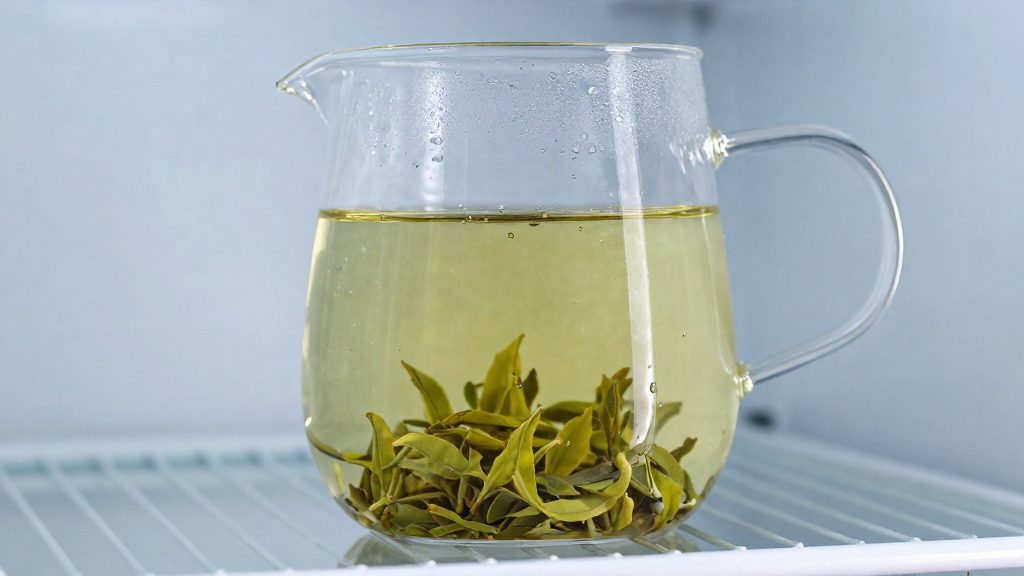
Brewed oolong is not a stable product. Once the leaves are removed, pour the liquid into a clean container and refrigerate it if you will not drink it within the same session. Do not leave brewed tea at room temperature for long periods, because it oxidises and tastes flat or sour.
Reusing leaves the next day is a separate issue. Dry the leaves on a towel before storing them in a sealed container away from light, heat and moisture. Use the leaves again only once they have dried. Wet leaves left in a sealed container can develop a stale or musty taste.
| Mistake | Practical fix |
|---|---|
| Steeping past the target time | Pour off the liquid at the end of the timer |
| Using heavy mineral or chlorinated water | Use filtered water and compare the results |
| Holding brewed tea at room temperature | Refrigerate liquid and drink it promptly |
| Storing wet leaves | Dry leaves fully before sealed storage |