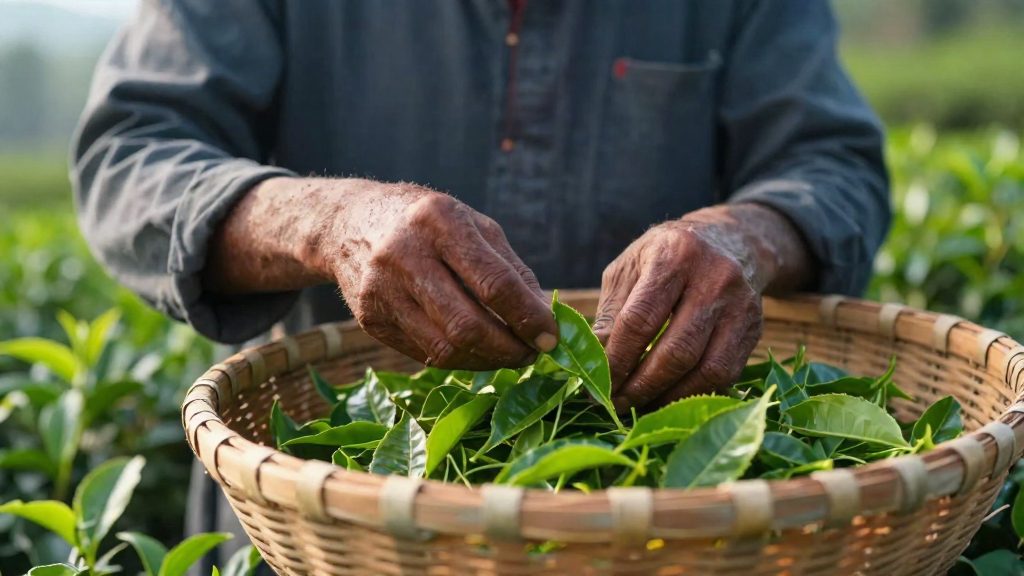
Assam is harvested in three flushes, from spring into autumn. The second flush is the one most often identified as the peak for quality and export. Sources disagree on exact start and end dates, so the ranges below are indicative. The UK merchant The Tea Makers of London (2026) and the German merchant Dethlefsen & Balk (2026) give the most detailed dates for the first two flushes.
When is the best season for Assam tea harvest?
Flush dates by source
| Flush | The Tea Makers of London (2026) | Dethlefsen & Balk (2026) |
|---|---|---|
| First flush | Mid-March to early May | Mid-April to late May |
| Second flush | Mid-May to August | Early June to mid-August |
The two sources differ mainly at the edges of each flush. The first flush starts about a month earlier in the UK guide, and it ends about three weeks earlier. The second flush starts earlier in the UK guide and ends in August in both.
Mapping the flushes to the seasons
- Spring: first flush.
- Late spring into summer: second flush. It is the flush that overlaps the most months. Down To Earth (2021) places its usual harvest in May–June.
- Autumn: third flush. The Tea Makers of London (2026) describes it as weaker in strength and flavour.
Third flush timing
Only one of the two dating sources covers the third flush. That guide places it in October and November, which makes autumn the final picking window of the year.
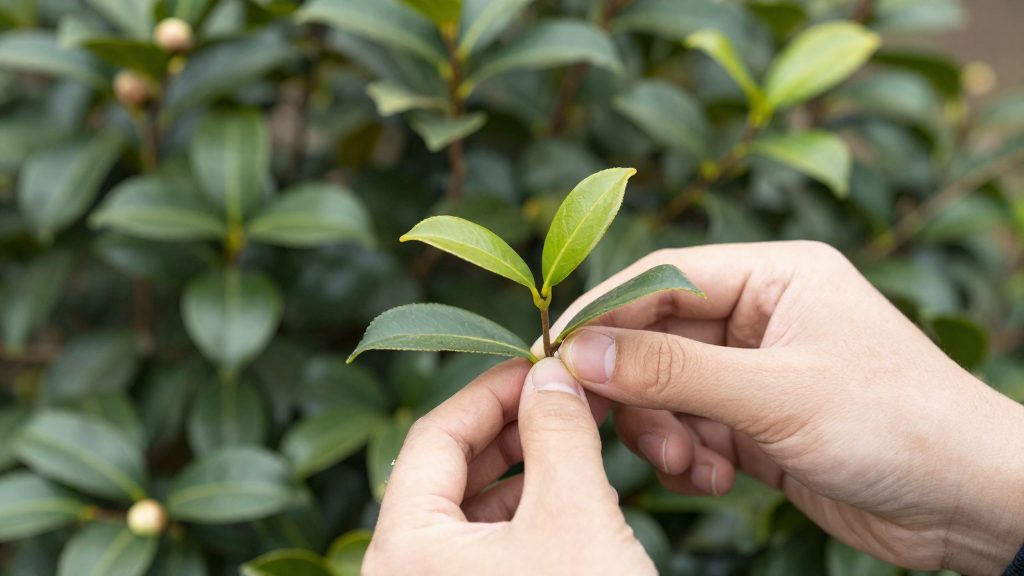
First flush Assam: what to expect
The Assam first flush produces a light, tart cup with subtle floral notes. The German tea merchant Dethlefsen & Balk (2026) describes it as light and tart, and The Tea Makers of London (2026) describes it as light with subtle floral notes. Both descriptions come from tea merchants, so treat them as indicative rather than as measured results.
How the cup compares
| Source | Description of the Assam first flush |
|---|---|
| Dethlefsen & Balk (2026) | Light and tart |
| The Tea Makers of London (2026) | Light, with subtle floral notes |
Judging the leaf before you buy
Dry leaf is hard to judge from a product photo, so use the packaging and listing instead:
- Look for an explicit first flush label. A listing that says only “Assam” does not show which pluck the leaves came from.
- Check for a harvest month on the label or in the product description, and compare it with the spring window the merchant gives.
- Dethlefsen & Balk (2026) links many golden tips to the second flush, so golden tips on their own do not confirm a spring pluck.
Who should choose it
- Drinkers who want a lighter, brisker black tea than the fuller second flush.
- Drinkers who prefer floral notes to a malty, heavy cup.
- Anyone who wants to try Assam without a strong, dark cup.
Why is second flush Assam the most prized?
The second flush has the strongest reputation among Assam pluckings because its cup is most often described as having a bold, malty character with woody notes. According to Down To Earth (2021), this bold, malty, woody character is what defines the second flush. Dethlefsen & Balk (2026) add a spicy edge to the profile and call the second flush the most important plucking period for quality and export.
| Source (year) | Described cup or liquor | Stated significance |
|---|---|---|
| Down To Earth (2021) | Bold, malty, woody | Defines the second flush character |
| Dethlefsen & Balk (2026) | Bold, malty, spicy; many golden tips | Most important plucking for quality and export |
| The Tea Makers of London (2026) | Full-bodied, deep amber-red, malty | Second flush noted as full-bodied |
What sets the cup apart
Dethlefsen & Balk (2026) link the second flush to golden tips, the lighter buds in the leaf, and note that many are present in this flush. The source mentions many golden tips in this flush but does not say they define its quality, and it gives no grading threshold.
Reading the liquor colour
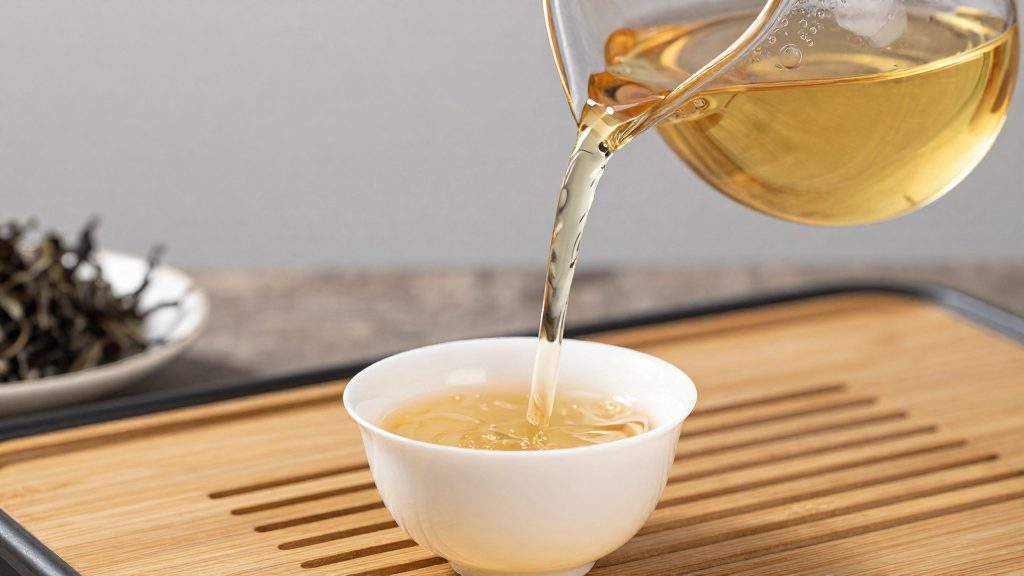
The Tea Makers of London (2026) describe the second flush liquor as a deep amber-red, which separates it from the lighter, more floral first flush. To judge colour, pour a brewed sample into a clear white cup and view it in daylight. Compare it with a first flush sample brewed the same way.
Monsoon and autumn flushes
The Tea Makers of London (2026) describes the third flush as weaker in strength and flavour; the monsoon flush could not be verified in the sources used.
Monsoon-season plucking
Some product pages use “monsoon flush” as a name, but this label could not be verified in the sources used here, and no source gives its dates. Some product pages use “monsoon flush” as a name, but the name alone does not identify the harvest.
Autumn plucking as everyday black tea
Autumn-picked black tea works as a mild, everyday cup rather than a full-bodied one. The Tea Makers of London (2026) suggests 3–4 g of loose leaf per 200 ml of water at 100°C for Assam in general; adjust by taste within that range. Adjust by taste from there rather than extending the steep.
How does weather change the harvest?
One report links weather to how the second flush cup tasted in a given year. The best-documented case involves the second flush. According to Down To Earth (2021), Tocklai taster Romen Chandra Gogoi said that its malty, woody character was missing in a year of low rainfall and high temperatures.
Malty character in dry, hot years
- A year with low rainfall and high temperatures produced a second flush without its usual malty note, according to that single report.
- The example comes from one taster in one year. It does not establish a general rule for every dry or hot season.
Flush timing across the season
Weather also moves the flush timing. The windows differ by several weeks at both the start and end of each flush. Neither source links these dates to specific weather figures for Assam, so they show the range of reported timing, not how a given season will shift it.
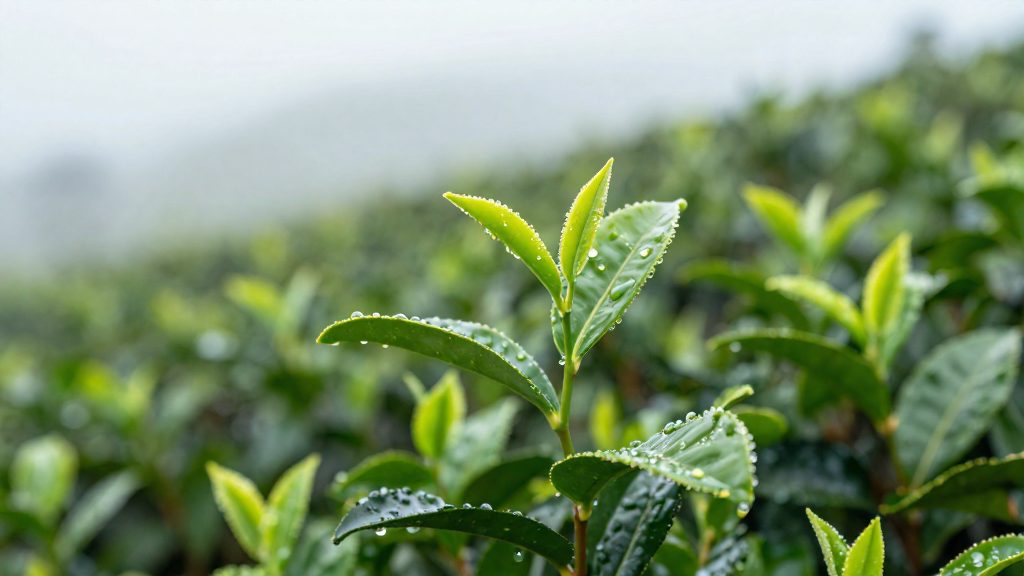
How to brew Assam at home
For black Assam, The Tea Makers of London (2026) recommends 100°C water, freshly filtered, with 3–4 g of loose leaf per 200 ml and a steep of 4–5 minutes. Treat these as one merchant’s guidance, not a fixed standard, and adjust within the range to suit your taste.
| Parameter | Value (The Tea Makers of London, 2026) |
|---|---|
| Water temperature | 100°C, freshly filtered |
| Loose leaf | 3–4 g per 200 ml |
| Steep time | 4–5 minutes |
Weigh the leaf on a kitchen scale, since the recommended amount is a weight range rather than a spoonful. Put the leaf in a teapot with an infuser basket or a loose-leaf strainer, pour the freshly boiled water over it, and start the timer. Remove the leaf at the end of the steep.
What to look for when buying in Canada
The harvest details printed on an Assam package are a useful, though approximate, guide to the cup you will get. If the label has none of these details, you have little to go on for timing or origin.
Flush names on retail packaging
Merchants date the same flush differently:
- First flush: mid-March to early May, according to The Tea Makers of London (2026). German merchant Dethlefsen & Balk (2026) dates it from mid-April to late May.
- Second flush: mid-May to August, according to The Tea Makers of London (2026). Dethlefsen & Balk (2026) dates it from early June to mid-August.
Loose leaf versus teabag Assam
Check whether the package states the leaf format. A pouch or tin that says “loose leaf” is easier to inspect for the flush name and any harvest details. With a teabag, read the outer box and any tag, because the bag itself rarely carries this information. Compare what each format lists, since one may have a harvest month and the other only a brand name.
Asking sellers for the harvest month or garden
Ask the seller three things:
- Which flush the tea is from.
- The harvest month.
- The garden or estate name.
A named garden gives you something to look up, while a flush name alone leaves the origin unclear. If the seller cannot answer, rely on the printed flush name and treat the timing as approximate.