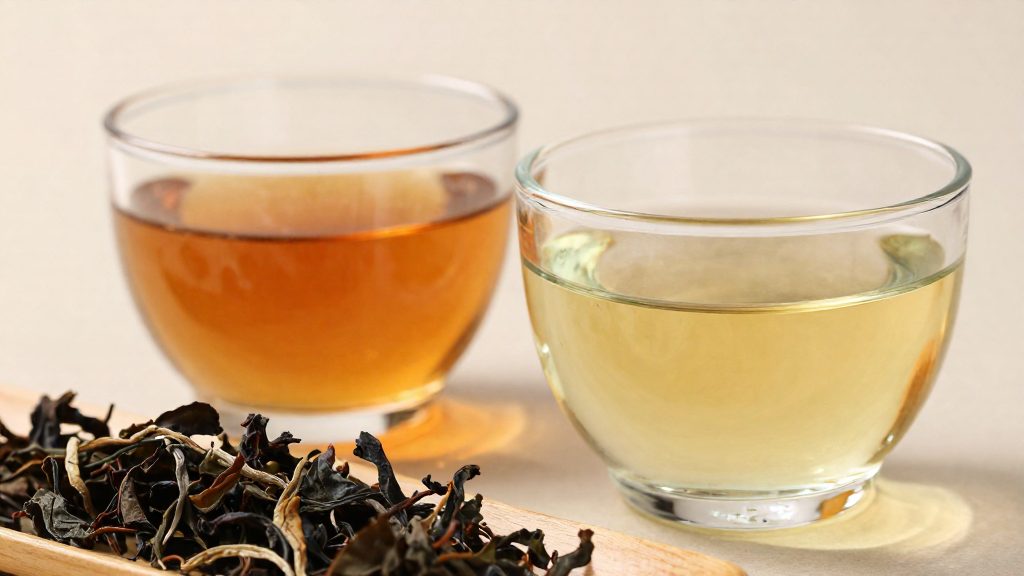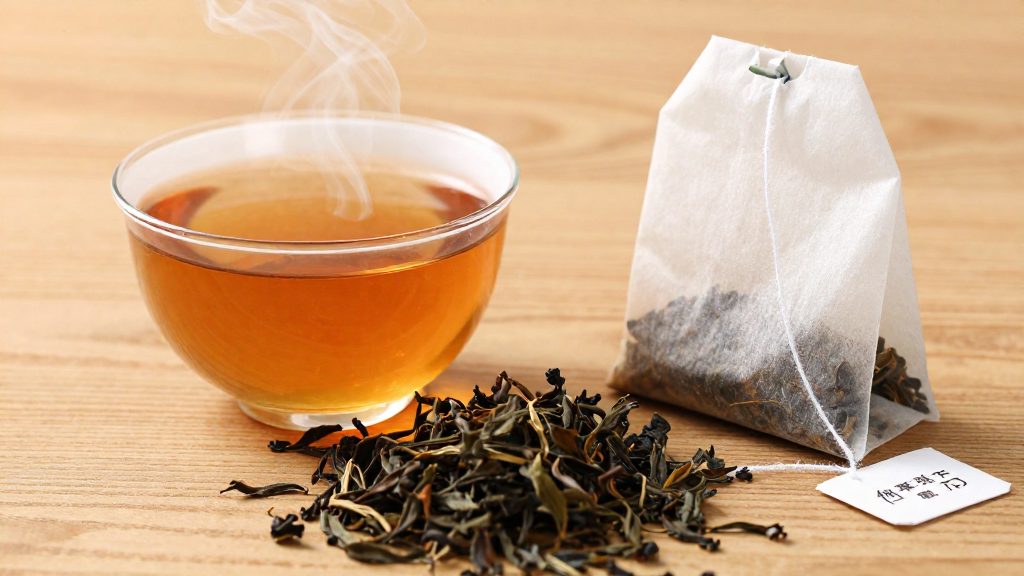
Loose leaf often tastes fuller, but it does not always win. Harney & Sons (January 23, 2026) says that, with few exceptions, it uses the same blends in its loose tea and its sachets, and describes their taste as extremely similar. Packaging can constrain the leaves in a sachet, so the gap depends on the bag design, the blend and the brand rather than on the format alone.
Does Loose Leaf Tea Taste Better?
When Loose Leaf Tastes Fuller
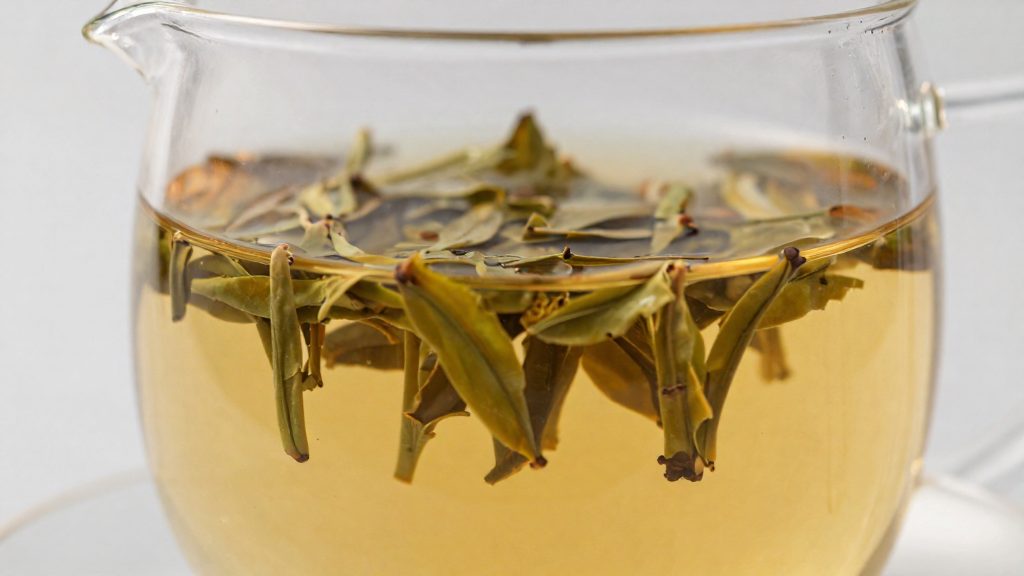
- Room for expansion: Harney & Sons (September 5, 2019) attributes loose tea’s fuller flavor to leaves having room to expand and water circulating around them. It cautions that cramped tea balls can restrict this.
- Adjustable strength: Loose tea lets you change the amount of leaf, so you can brew lighter or stronger without switching products (Harney & Sons, 2019-09-05).
When Tea Bags Are Comparable
Harney & Sons’ same-blend approach means a sachet and a loose tin of the same blend are described as very close in taste. Teatulia’s whole-leaf pyramid bags also contain whole leaves with room for expansion, which narrows the gap further.
How Bag Design Changes the Result
| Format | Leaf form | Brewing characteristic (per manufacturer) |
|---|---|---|
| Conventional bag | Smaller particles | Releases flavor and color faster, generally stronger sooner (Harney & Sons, January 23, 2026) |
| Teatulia whole-leaf pyramid bag | Whole leaves | Room for expansion; can be steeped multiple times (Teatulia) |
| Teatulia fine-cut round bag | Fine-cut leaf | Stronger, fuller-bodied brew than its whole-leaf pyramids (Teatulia) |
| Loose leaf | Leaf measured by the brewer | Strength set by leaf quantity (Harney & Sons, September 5, 2019) |
Why the Loose-Leaf Advantage Is Not Universal
- Both sources describing the difference are manufacturers describing their own products, so they indicate tendencies, not a universal preference.
- A bag built with whole leaves and space to expand can brew closer to loose tea than a conventional bag.
- Fine-cut bags can brew stronger, so a bag is not automatically weaker.
Why Leaf Size Changes Flavor
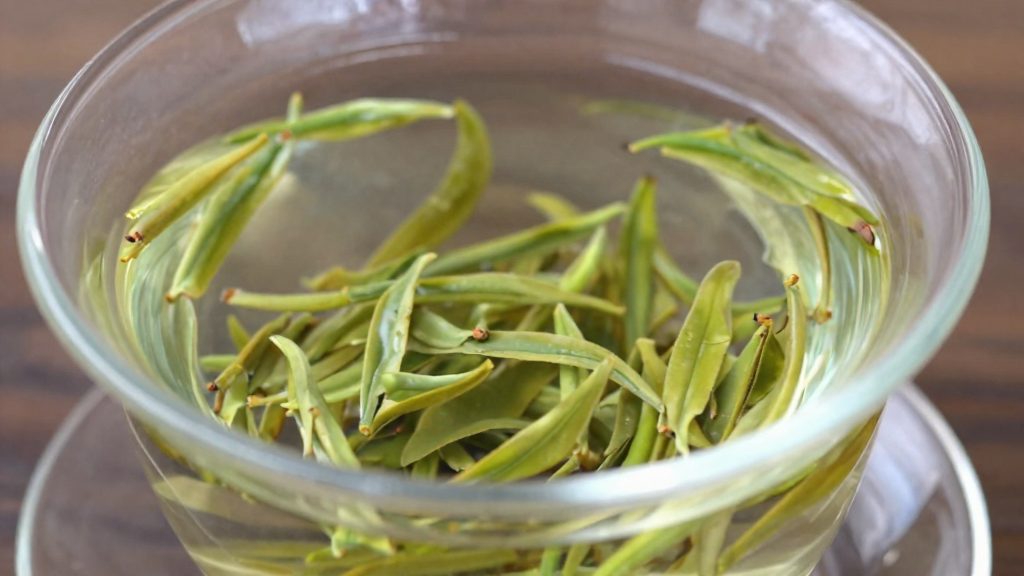
Tea releases color and flavor into water through its surface area. Smaller particles expose more leaf material to the water at once, so the compounds dissolve faster. Harney & Sons (2026) explains that the smaller particles in conventional tea bags release flavor and color faster, generally producing a stronger infusion sooner than loose leaves or whole-leaf sachets. The effect is described as a general pattern, not a guarantee for every blend.
| Format | Particle size | Reported extraction pattern |
|---|---|---|
| Conventional tea bag | Small particles | Color and flavor release faster; generally stronger sooner (Harney & Sons, 2026) |
| Fine-cut round tea bag (Teatulia) | Fine cut | Stronger, fuller-bodied brew than the whole-leaf pyramid bag (Teatulia) |
| Whole-leaf pyramid bag (Teatulia) | Whole leaves | Lighter brew than the fine-cut round bag (Teatulia) |
| Loose leaf | Larger pieces than fine cut | Slower release than small particles (Harney & Sons, 2026) |
Teatulia applies the same logic within its own range. Its fine-cut round bags are described as giving a stronger, fuller-bodied cup than its whole-leaf pyramid bags, so leaf cut and bag shape both affect the result.
How Brewing Space Affects Taste
Loose leaf and bagged tea differ in how much room the leaves have once water touches them. Harney & Sons attributes the fuller flavor of loose tea to space for leaves to expand and for water to circulate around them, and it notes that cramped tea balls can restrict that expansion. The practical difference lies in the container: the more open the space, the more freely the leaves unfurl and release their compounds.
Cramped Tea Balls
A tight tea ball holds leaves in a small volume. Once the leaves are wet, they swell and need room; in a confined ball they cannot open fully, which limits how much of the leaf reaches the water. Harney & Sons flags this specific limitation, so the brewer should use a ball large enough for the leaves to move.
Open Baskets and Teapot Space
An open infuser basket or a teapot with a loose-leaf chamber gives the leaves more volume to expand. Water also moves more freely through the leaf mass, so the infusion develops more evenly. Harney & Sons links this open space to the fuller flavor of loose tea.
Water Circulation During Steeping
Harney & Sons links fuller flavor to both room for leaf expansion and water circulation. When water can move around the leaves, each part of the leaf mass contacts fresh water instead of sitting in a saturated pocket. Harney & Sons ties this movement to the fuller flavor of loose tea, and it notes that loose tea also lets the brewer adjust strength by changing the quantity of leaves.
Sachets with whole leaves, such as Teatulia’s pyramid bags, provide room for expansion. Their container design is covered in a separate comparison, so this section concentrates on the space and water flow inside any infuser or pot.
Can Tea Bags Match Loose Leaf?
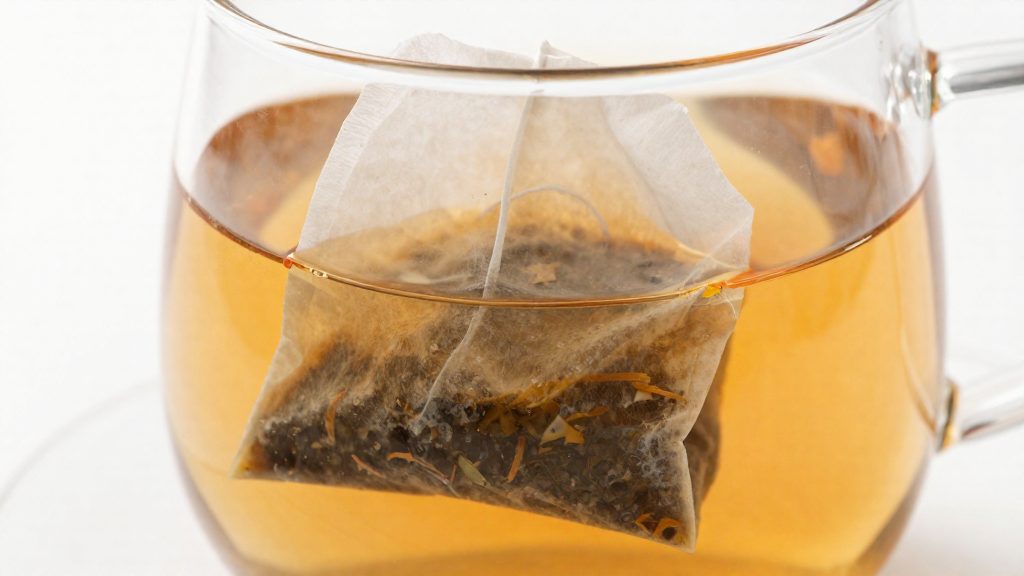
Some bag formats come close to loose leaf, and others do not. Harney & Sons says that, with few exceptions, it uses the same blends in its loose tea and its sachets, and it describes their taste as extremely similar. It also notes that packaging can constrain the leaves inside a sachet. The difference between a bag and loose leaf therefore depends largely on the bag format: the leaf form, how freely the leaves can move, and how the leaves are cut.
Pyramid bags versus fine-cut rounds
Teatulia sells two bag formats with different characteristics:
| Bag format (Teatulia) | Leaf form | Manufacturer’s description |
|---|---|---|
| Pyramid bag | Whole leaves | Room for leaves to expand; can be steeped multiple times |
| Fine-cut round bag | Fine cut | Stronger, fuller-bodied brew than the whole-leaf pyramid bag |
For a single steep with a fuller cup, the fine-cut round is the format Teatulia describes as stronger. For pyramid bags, the manufacturer’s emphasis is on whole leaves that can be steeped more than once.
Packaging limits on sachet leaves
A sachet restricts how far its leaves can open and move during steeping. Harney & Sons identifies this as a constraint that packaging places on sachet leaves, so a bag may not reproduce a loose-leaf cup exactly, even when the blend is the same.
Reading bag labels for leaf size and cut
The label is the most direct way to identify the format before brewing. Look for terms such as “whole leaf”, “pyramid”, or “fine cut” on the packaging or product page. Follow the brand’s own steeping instructions: for its Paris blend, Harney & Sons recommends 212°F water and a steep of 4–5 minutes (Harney & Sons, 2026-01-23).
Strength Versus Aroma and Complexity
Strength and aroma describe different aspects of a cup, but their brewing controls overlap. Changing the amount of leaf can affect both concentration and aroma. Brewing time and temperature also affect aroma, while room for expansion and water circulation can influence extraction. Harney & Sons (2019) attributes loose tea’s fuller flavor to room for the leaves to expand and for the water to circulate.
| Sensory axis | Main control | Sourced point |
|---|---|---|
| Strength | Quantity of leaves | Loose tea lets the brewer adjust strength by changing how many leaves are used (Harney & Sons, 2019) |
| Aroma and complexity | Leaf expansion and water circulation | Cramped tea balls can restrict expansion (Harney & Sons, 2019) |
Aroma and Body in a Single Cup
Aroma and body reach the cup through different routes. Aroma is detected by smell, both on the inhale before the first sip and as a retro-nasal impression while you swallow. Body is the weight and texture you feel on the palate. A cup can be light in body and still have a pronounced aroma, or heavy in body with a muted scent, so tasting both separately gives more information than a single “strong” or “weak” judgment.
Harney & Sons (2026) states that, with few exceptions, its loose tea and sachets use the same blends and taste extremely similar, although packaging can constrain the leaves inside a sachet. For Harney & Sons products covered by its same-blend statement, compare loose tea and sachets using the same leaf quantity, water, temperature and steep time. Any aroma difference alone does not establish that leaf expansion caused it.
To separate strength from aroma at home, brew the same leaf with the same water twice, changing only the leaf quantity. Then compare how the scent and mouthfeel shift, and which changes come from concentration rather than from the leaf.
Tasting Vocabulary
- Body: the weight and texture on the palate, from thin to full.
- Aroma: the scent perceived before and during sipping, described with terms such as floral, grassy, or toasty.
- Astringency: a dry, drawing sensation felt on the tongue and gums. It is a tactile sensation, not a taste, and it is distinct from bitterness.
Brewing for Your Preferred Flavor
For the Harney & Sons Paris blend, the manufacturer recommends water at 212°F and a steep of 4–5 minutes, according to Harney & Sons (2026). These settings apply to the Paris blend only. For other blends, check the label or the manufacturer’s instructions. Within that baseline, you adjust strength with two controls: leaf quantity and steep time.
Leaf Quantity as the Strength Control
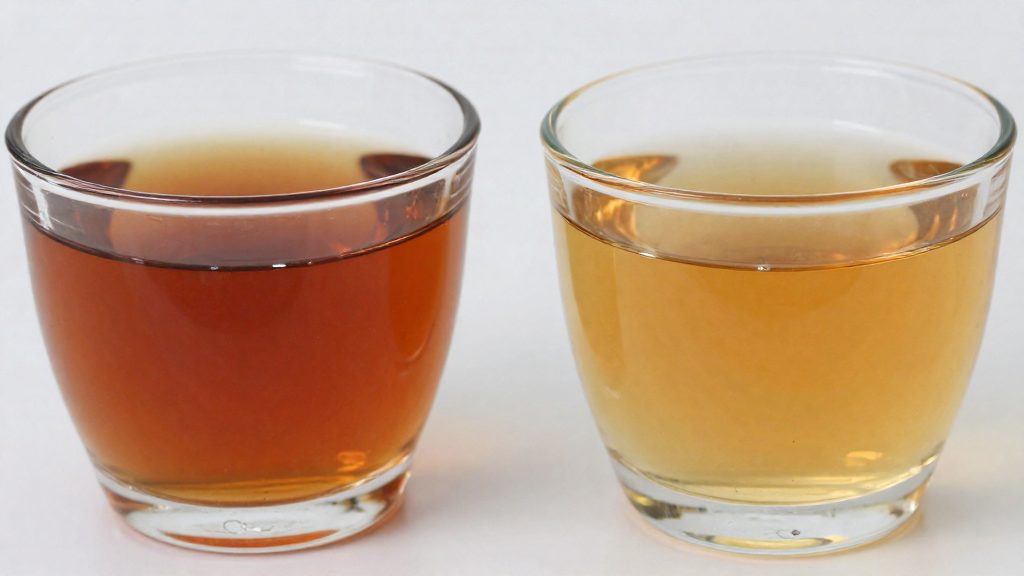
Harney & Sons notes that loose tea lets the brewer adjust strength by changing the amount of leaves (Harney & Sons, 2019). Adding leaves gives a fuller, more concentrated cup. Using fewer gives a lighter one. Keep the water temperature and steep time fixed while you test, so any difference in the cup comes from the leaf amount.
Steep Time for Lighter or Stronger Cups
Within the 4–5 minute range recommended for the Paris blend, the steep time sets how long the water has to extract from the leaves.
| Target cup | Steep time within the 4–5 minute range | Water temperature |
|---|---|---|
| Lighter | Start of the range (closer to 4 minutes) | 212°F |
| Stronger | End of the range (closer to 5 minutes) | 212°F |
Choosing Your Everyday Tea Format
Your daily routine decides most of the trade-off between loose leaf and bags: how many cups you brew at once, where you brew them, and how much strength you want from each cup. Loose leaf suits batch brewing at home, where one teapot or gaiwan serves several cups. Bags suit a single-cup routine at work or on the road. Both formats are sold across the same tea families, so the choice is mostly about routine, not range.
Batch brewing with loose leaf
- One vessel brews several cups, so you measure leaves for the whole pot rather than for each cup.
- Strength is adjusted by changing the quantity of leaves, according to Harney & Sons (2019). A larger pot can be brewed lighter for a long session or stronger for a milk tea.
- A cramped tea ball can restrict leaf expansion, so use a basket or open infuser large enough for the leaves to move, as Harney & Sons (2019) recommends.
Single-cup and travel routines with bags
- One bag per cup needs no measuring and no strainer to clean afterwards, which fits an office desk or a hotel room.
- Bag styles differ. Teatulia describes its whole-leaf pyramid bags as containing whole leaves with room to expand. Its fine-cut round bags produce a stronger, fuller-bodied brew than the pyramid style.
- According to Harney & Sons (2026), the smaller particles in conventional tea bags release flavor and color faster, generally producing a stronger infusion sooner than loose leaves or whole-leaf sachets.
Range of teas in each format
| Format | Typical daily use | What the sources say |
|---|---|---|
| Loose leaf | Batch brewing, adjustable strength | Strength is set by leaf quantity (Harney & Sons, 2019) |
| Whole-leaf pyramid bag | Single cup, travel | Whole leaves with room to expand (Teatulia) |
| Fine-cut round bag | Single cup, stronger cup | Stronger, fuller-bodied brew than the pyramid style (Teatulia) |
| Conventional bag | Quick single cup | Faster, generally stronger infusion (Harney & Sons, 2026) |
Harney & Sons uses the same blends in its loose tea and its sachets, with few exceptions (Harney & Sons, 2026). If you have a favorite blend, check whether the maker sells it in both formats before you commit to one.
Frequently asked questions
Does the paper in tea bags add an off flavor?
Not as a general rule. Manufacturers’ statements do not establish that bag paper causes off flavors across materials and brands, so the answer depends on the specific product. If you notice a papery taste, check the filter material listed on the packaging, or contact the brand to ask what the bag is made of.
Is loose leaf always fresher than tea bags?
Format alone does not decide freshness. Storage conditions, packaging and the age of the tea matter as much as whether the leaves are loose or bagged. Follow the storage instructions on the label or the manufacturer’s website for either format.
Is loose leaf always cheaper per cup?
Not necessarily. Cost per cup depends on the price per gram, the net weight and the amount of leaf you use per cup. Compare these figures on the product page or label before deciding which format costs less for you.